Spinning Out of Control The Real Cost of Vinyl in 2026
Let's break down the data from 2025 to 2026 to see exactly what happened to vinyl prices, the major trends driving them, and what it means for your collection.

› Some links in this post are affiliate links, which means we earn a small commission if you like and buy our recommendations. This comes with no additional cost to you, and supports Vovyl.
If you’ve flipped through the bins at your local record store recently, you might have done a double-take at the price tags. As we settle into 2026, the vinyl revival is still spinning strong, with industry sales recently hitting the $1 billion mark, but the cost of participating in this analog renaissance has undeniably shifted.
Let's break down the data from 2025 to 2026 to see exactly what happened to vinyl prices, the major trends driving them, and what it means for your collection.
The Price Jump: 2025 vs. 2026
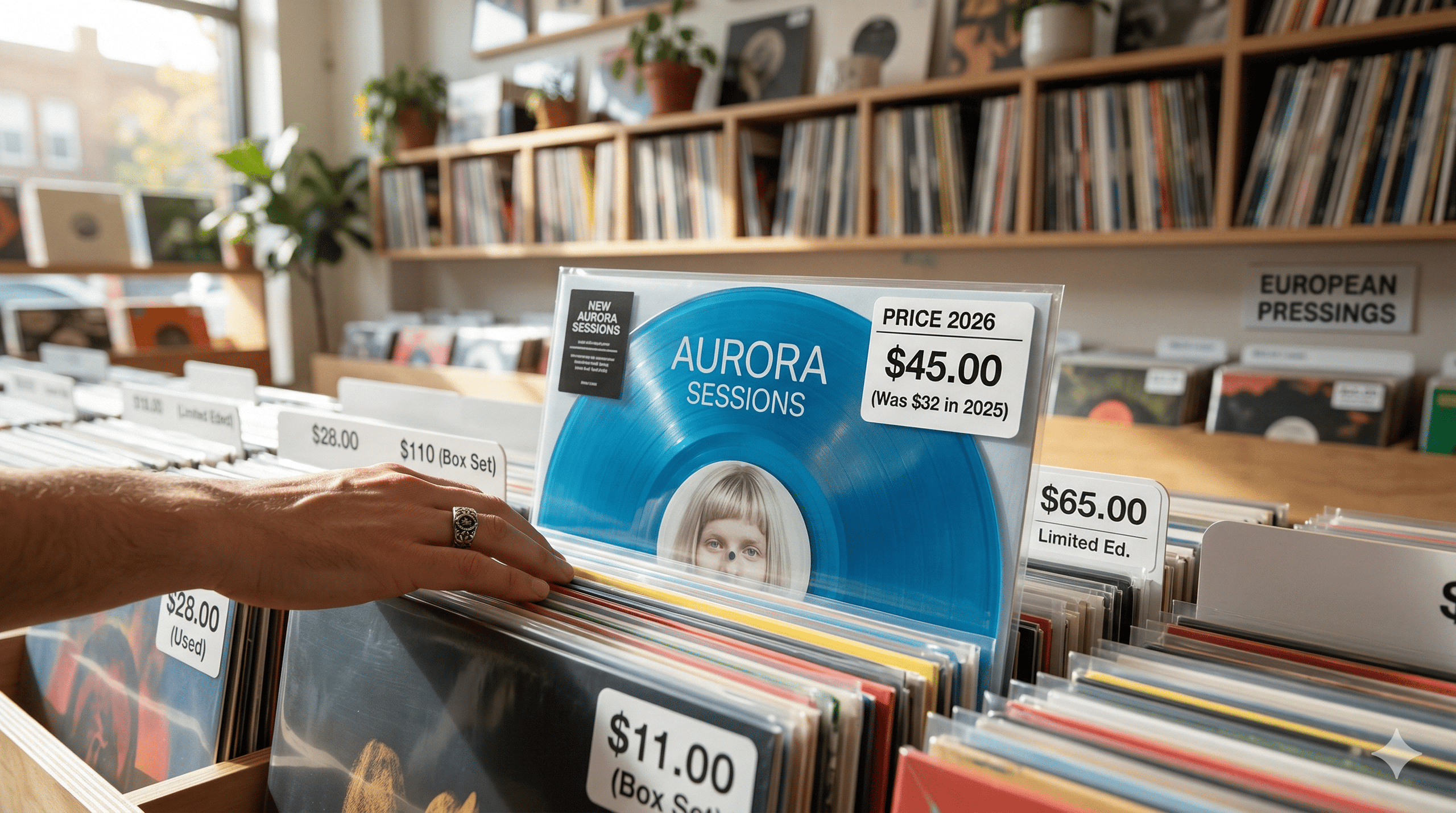
Prices have steadily crept up across the board. The era of the reliable $20 to $25 new release is essentially in the rearview mirror. What was considered a "premium" price just a couple of years ago is now the baseline for standard releases.
Here is a breakdown of how average retail prices for new records have shifted from early 2025 to 2026:
| Vinyl Category | Average Price (2025) | Average Price (2026) | General Trend |
| Standard New Release (Black, 140g) | $30 - $35 | $40 - $45 | 📈 + ~30% |
| Audiophile Pressing (180g, Remastered) | $40 - $45 | $50 - $60 | 📈 + ~25% |
| Special/Limited Editions (Colored) | $45 - $55 | $65 - $75+ | 📈 + ~35% |
| Deluxe Box Sets | $80 - $120 | $100 - $150+ | 📈 + ~25% |
As the data shows, collectors are looking at a general price increase of roughly 25% to 35% across most new vinyl categories within a single year.
Why Are Records Getting So Expensive
The price hike isn't just arbitrary label greed; it’s a perfect storm of economic, political, and industry-specific factors that hit hard throughout 2025.
- Trade Policies and Tariffs: The political landscape in 2025 introduced new trade policies, including a 10% tariff on many imported goods. Because a massive portion of vinyl pressing plants are located overseas, this directly hit the music industry. Production costs for imported records spiked by 10% to 15%, and those costs were swiftly passed down to the consumer.
- The "Premiumization" of Physical Media: Labels have realized that modern vinyl buyers aren't just buying a medium for music; they are buying high-end collectibles. There is a massive push toward high-margin items featuring gatefold sleeves, splatter-colored wax, and heavy audiophile pressings. While these look and sound fantastic, they drive up the baseline average price of the hobby.
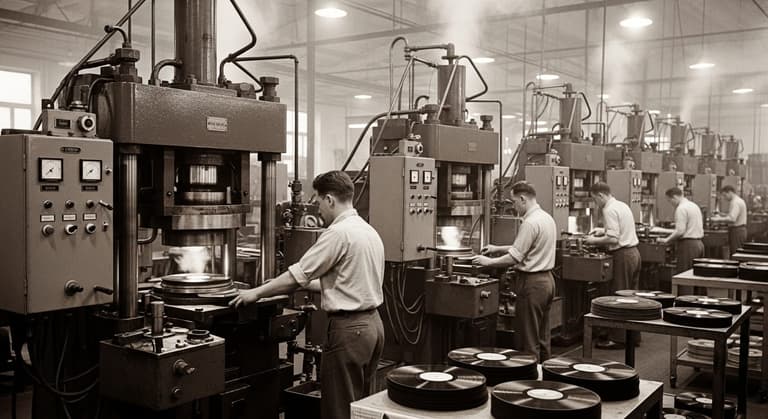
- Production and Raw Material Costs: The actual cost of making a record has surged. PVC pellets, energy costs to run the pressing plants, and specialized labor have all become more expensive. Plus, with demand still high, many pressing plants are running at maximum capacity, making it a seller's market for manufacturing.
- Shipping and Logistics: Vinyl is heavy and fragile. The cost of shipping records, especially international imports from regions like Japan or Europe, has skyrocketed, adding a hefty premium to the final retail price before it even hits the store shelf.
"The music industry has created a strange economic paradox: streaming royalties are more reliable than ever, but the physical products fans love are facing unprecedented production costs and import challenges."
The Market Split: Where Do We Go From Here
As we navigate 2026, the vinyl market is clearly fracturing into two distinct camps. On one side, you have the Mainstream Premium, pop and major chart acts releasing heavily marketed, higher-priced colored variants. On the other side, the Audiophile Niche, small-run, meticulously mastered pressings that command premium price tags for dedicated audiophiles.
The Verdict
The pricing trend is definitively upward. While the vinyl bubble hasn't burst, the barrier to entry is higher than ever. If you are a collector in 2026, the best strategy is curation. The days of buying every album on a whim just to see how it sounds are tough to sustain on a normal budget.
Instead, the trend among buyers is shifting toward investing in records that truly matter to them, focusing on exceptional masterings, supporting favorite independent artists, and prioritizing meaningful releases over trendy colored variants.
In this article
- The Price Jump: 2025 vs. 2026
- Why Are Records Getting So Expensive
- The Market Split: Where Do We Go From Here