The Dock of the BayCheapest atstore.acousticsounds.com
Vovyl is currently tracking 4 offers for Otis Redding's The Dock of the Bay vinyl (1968). Prices range from $24.98 to $87.99, with the best current deal found at store.acousticsounds.com.
No reviews yet
Whether a review is positive, negative, or neutral, we always publish it. However, we screen every review to ensure it is authentic and free of profanity. These checks happen automatically, though a human occasionally steps in. We never pay for reviews.
Whether you're just starting your vinyl collection or have been spinning for years, the right turntable makes all the difference. We've selected the best options for every budget.
Discover our selection of turntables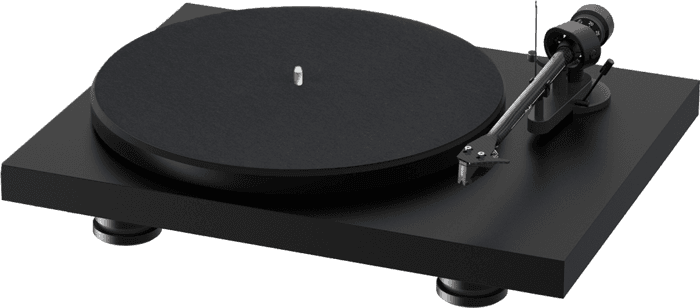
| Date | Lowest price | Average price |
|---|---|---|
| Feb 28, 2026 | $24.98 | $41.73 |
| Mar 30, 2026 | $24.98 | $56.23 |
| Apr 29, 2026 | $24.98 | $46.99 |
| May 31, 2026 | $24.98 | $46.99 |
| Jun 29, 2026 | $24.98 | $51.24 |
| Jul 3, 2026 | $24.98 | $51.24 |
Mood Indigo: The Complete Bethlehem Singles
Nina Simone
Aretha Now
Aretha Franklin
This Old Heart Of Mine
The Isley Brothers
Live At Home With His Bad Self
James Brown
Let's Stay Together
Al Green
Songs In The Key Of Life
Stevie Wonder
What'd I Say
Ray Charles
I Want You
Marvin Gaye
Superfly
Curtis Mayfield
This Is Clarence Carter
Clarence Carter
Everything Is Everything
Donny Hathaway
Home Again
Michael Kiwanuka