In AbsentiaCheapest atstore.acousticsounds.com
Vovyl is currently tracking 1 offers for the 2002 reissue of Porcupine Tree's In Absentia vinyl. Currently available at $50.98 from store.acousticsounds.com.
No reviews yet
Whether a review is positive, negative, or neutral, we always publish it. However, we screen every review to ensure it is authentic and free of profanity. These checks happen automatically, though a human occasionally steps in. We never pay for reviews.
Whether you're just starting your vinyl collection or have been spinning for years, the right turntable makes all the difference. We've selected the best options for every budget.
Discover our selection of turntables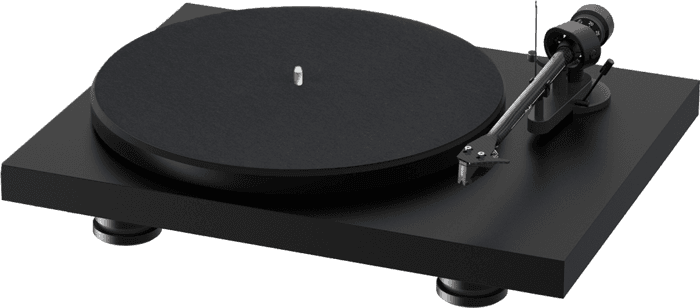
This 2026 Reissue Remastered 2LP set is pressed on Clear vinyl.
Tubular Bells II
Mike Oldfield
Seventh Sojourn
The Moody Blues
Pyramid
The Alan Parsons Project
A Dramatic Turn of Events
Dream Theater
Pulse
Pink Floyd
Undertow
TOOL
Yessingles
Yes
Bringing It Down to the Bass
Tony Levin
Ege Bamyasi
CAN
Operation: Mindcrime
Queensrÿche
In Search of Space
Hawkwind
Melancholia
Rick Wakeman